Vero & Versa
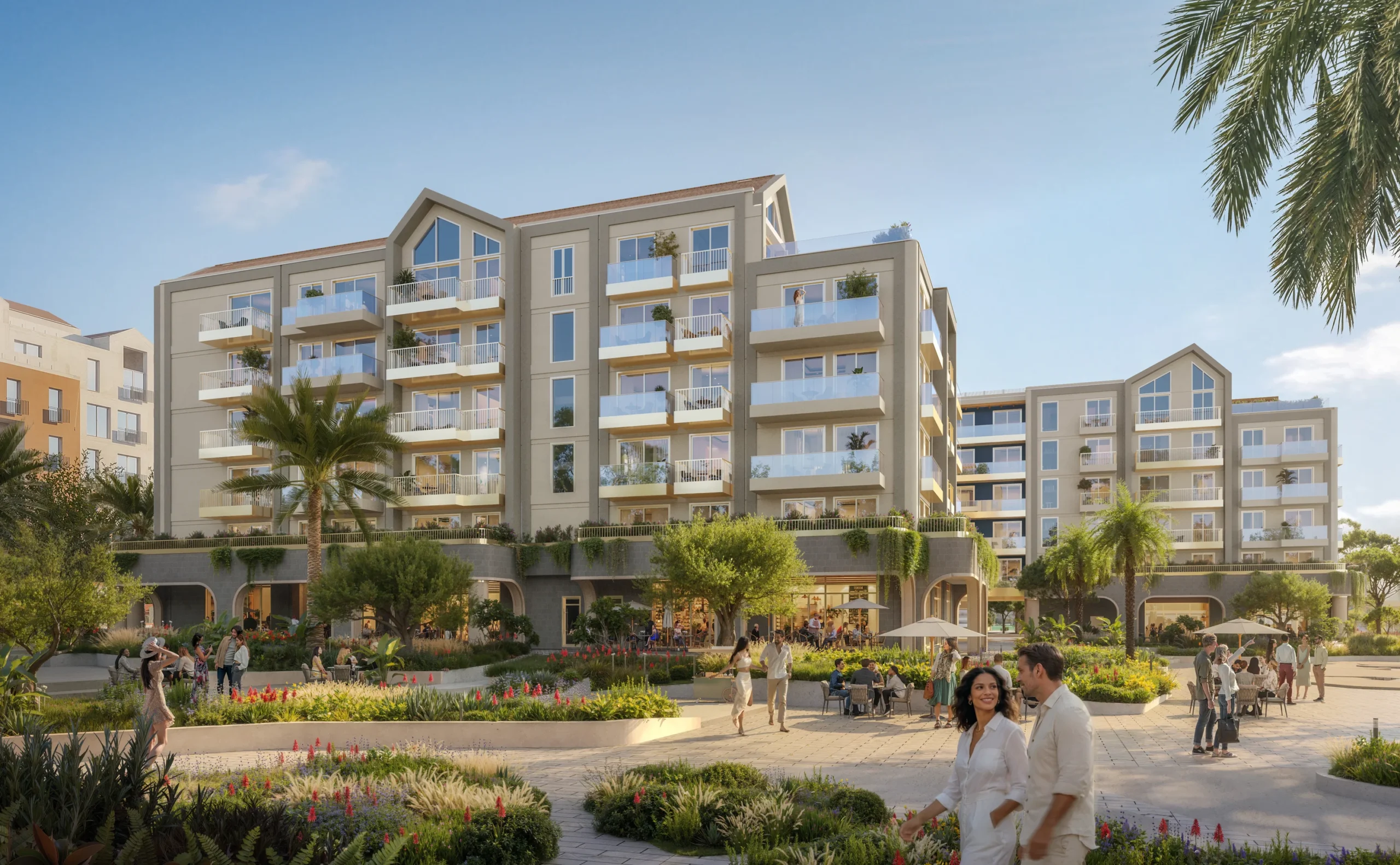
Discover a collection of diverse yet integrated neighbourhoods at the heart of it all. Vero and Versa Residences have easy access to everything Porto Montenegro has to offer.
Explore

Discover a collection of diverse yet integrated neighbourhoods at the heart of it all. Vero and Versa Residences have easy access to everything Porto Montenegro has to offer.
Explore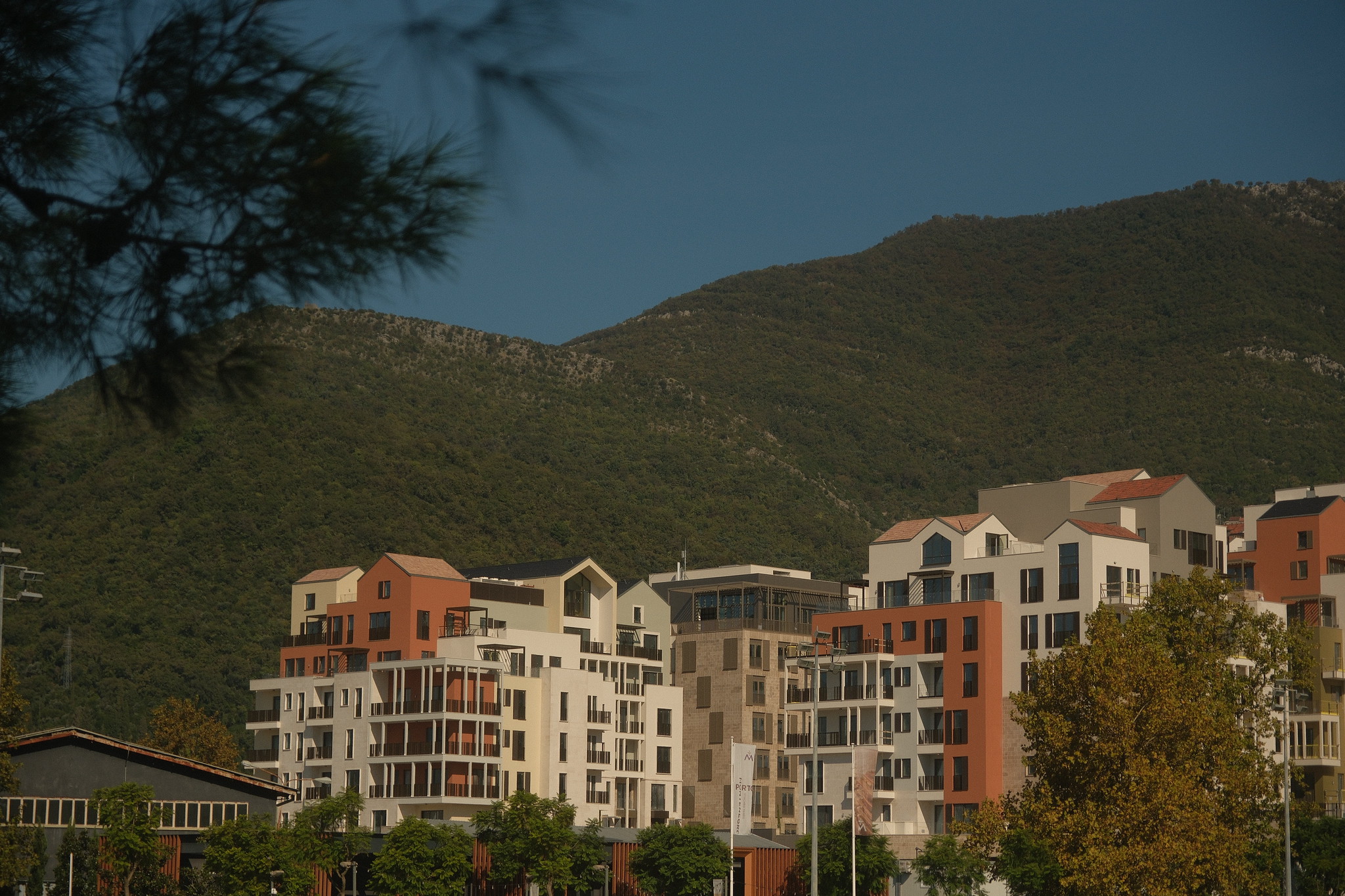
Discover Porto Montenegro's newest neighbourhood, a thriving community designed around wellness, lifestyle and everyday convenience.
Explore


Montenegro, with its stunning Adriatic coastline and rich cultural heritage, is becoming an increasingly popular destination for expatriates and foreign families. One crucial aspect for those considering relocation is understanding the Montenegrin education system.
This comprehensive guide delves into the various educational stages, from preschool to higher education, and provides insights tailored for foreigners.
Preschool education in Montenegro caters to children from birth up to six years old, structured through nurseries (ages 0–3) and kindergartens (ages 3–6). Both public and private preschool institutions operate across the country, with private establishments primarily located in urban areas such as Podgorica, Budva, Kotor, and Tivat.
The curriculum in Montenegrin preschools follows the national “Programme for Preschool Upbringing and Education”, promoting child-centred approaches and developmental learning.
Emphasising play-based activities, the programme fosters cognitive, emotional, social, and physical development, effectively preparing children for primary education.
Inclusivity is a critical element of preschool education in Montenegro, with initiatives specifically aimed at integrating children with disabilities, minority communities, and vulnerable groups into mainstream education.
Educators receive specialised training to support diverse classrooms and ensure equitable learning opportunities for all children (UNICEF).
Enrolment generally requires a child’s birth certificate, health certificate, proof of residence, and parental identification. The application process is streamlined through the national enrolment platform.
Strategically, Montenegro continues to expand its preschool infrastructure, enhance teacher training, and strengthen community involvement, particularly focusing on underserved regions, to ensure that every child can access quality preschool education.
Primary education in Montenegro is both compulsory and free, encompassing a nine-year programme for children aged 6 to 15. This educational phase is structured into three distinct cycles:
The curriculum, as outlined by the Ministry of Education, Science and Innovation, includes compulsory subjects such as Montenegrin language and literature, mathematics, English (starting from Grade 1), and a second foreign language from Grade 6.
Additionally, students engage in fine arts, music education, natural and social sciences, and physical education.
The educational programme also incorporates compulsory activities like class meetings and cultural days, as well as extended activities including extracurricular pursuits and remedial classes.
Assessment methods evolve throughout the cycles. In the first cycle, evaluations are descriptive, focusing on qualitative feedback. From the second cycle onwards, a numerical grading system is employed, ranging from 1 (fail) to 5 (excellent).
After primary education, students undergo an external assessment covering language and literature, mathematics, and one elective subject studied during the third cycle. This evaluation is administered by the Examination Centre and serves as a prerequisite for enrollment in secondary education.
According to the Statistical Office of Montenegro (MONSTAT), in the 2023/2024 academic year, 7,970 students completed primary education, with a gender distribution of 47.3% girls and 52.7% boys.
Montenegro’s commitment to inclusive education ensures that children with special educational needs are integrated into mainstream classrooms, supported by individualised plans and professional assistance.
Class sizes are regulated, typically accommodating 26 to 28 students, with provisions to reduce this number when necessary to support inclusive practices.
Overall, Montenegro’s primary education system is designed to provide a comprehensive and inclusive foundation, preparing students for the academic and social challenges of secondary education and beyond.
Secondary education in Montenegro is structured to accommodate diverse academic and vocational aspirations, encompassing general grammar schools (gymnasiums), vocational schools, and art schools. Typically, these programmes span three to four years, depending on the chosen track.
Gymnasiums offer a comprehensive general education over four years, preparing students for higher education. The curriculum includes subjects such as Montenegrin language and literature, mathematics, foreign languages, sciences, and humanities.
After their studies, students undertake the national final exam (called Matura), which assesses their readiness for university-level education.
The Matura exam comprises compulsory subjects – Montenegrin language or mother tongue and literature, and either mathematics or the first foreign language – as well as an elective subject significant for the student’s intended field of further study.
Vocational schools provide specialised training aligned with labour market demands in sectors such as tourism, hospitality, healthcare, economics, and engineering. These programmes emphasise practical training through internships and collaboration with industry partners.
Art schools cater to students pursuing careers in visual arts, music, theatre, or dance, combining theoretical instruction with intensive practical work.
For foreign students, several international schools in Montenegro offer globally recognised curricula, including the International Baccalaureate (IB) and Cambridge programmes.
These institutions, such as Knightsbridge School International Montenegro and Arcadia Academy, provide education in English and facilitate a smoother transition for expatriate families considering moving to Montenegro.

Montenegro’s state music schools play a pivotal role in nurturing young musical talent and preserving the nation’s rich cultural heritage. The country boasts five secondary music schools and nine primary music schools, offering structured programmes that encompass both theoretical and practical aspects of music education.
At the primary level, students typically begin their musical journey around the age of six, engaging in part-time studies that include instrument training, music theory, and ensemble participation.
These foundational years are crucial for developing technical skills and a deep appreciation for music.
Secondary music schools provide more intensive training, preparing students for professional careers or higher education in music. The curriculum often includes advanced instrumental studies, music history, harmony, and performance opportunities.
These schools are integral to the country’s educational landscape, ensuring that students receive comprehensive musical instruction alongside their general education.
For those aspiring to further their studies, the Music Academy at the University of Montenegro in Cetinje offers undergraduate and postgraduate programmes in areas such as performance, composition, and music pedagogy.
Notably, these programmes are tuition-free for both Montenegrin students; however, tuition policies for international students may vary slightly depending on bilateral agreements or special arrangements. International students should check directly with the university for the latest updates.
Overall, Montenegro’s state music schools provide a robust framework for cultivating musical excellence, fostering both individual talent and the broader cultural fabric of the nation.
Montenegro is committed to inclusive education, ensuring children with special needs receive appropriate support. The 2019–2025 Inclusive Education Strategy emphasises integrating these students into mainstream schools, supplemented by resource centres offering specialised assistance.
Educational plans are tailored to individual needs, with provisions for additional professional assistance both within and outside the classroom. The country operates three specialised Resource Centres:
These centres provide early intervention programmes, teacher training, and assistive technologies, including DAISY-format textbooks and Braille materials.
To facilitate smooth transitions between educational levels, Individual Transition Plans (ITP-1 and ITP-2) are developed, focusing on the child’s abilities and interests. Teaching assistants are employed to support students, and schools have adapted their infrastructure to improve accessibility.
UNICEF supports initiatives like the online platform vrsnjackapodrska.me, providing psycho-social and legal support to families.
Community-based Day Care Centres offer specialised services, aiding children’s development and allowing parents to pursue employment.
Continued efforts are directed towards expanding infrastructure, improving teacher training, and fostering greater community involvement to ensure that all children in Montenegro have access to high-quality, inclusive education.
Montenegro’s higher education system is structured in alignment with the Bologna Process, ensuring compatibility with European standards.
Since becoming a full member of the Bologna Process in 2007, Montenegro has adopted a three-cycle system: Bachelor’s (3 years), Master’s (2 years), and Doctorate (3 years).
This structure facilitates student mobility and the mutual recognition of qualifications across Europe.
The University of Montenegro, established in 1974, is the country’s sole public university and the largest higher education institution.
It comprises 19 faculties and three institutes, with campuses in Podgorica, Nikšić, Cetinje, and Kotor. The university serves approximately 17,000 students and offers a wide range of academic programmes across various disciplines.
Since 2004, the university has organised its teaching and examinations following the Bologna Declaration principles.
Notably, the University of Montenegro has implemented reforms to enhance the quality of education and align with European standards. These reforms include the adoption of the European Credit Transfer and Accumulation System (ECTS) and the establishment of quality assurance mechanisms.
Montenegro hosts several private universities that contribute to the diversity of its higher education landscape.
Founded in 2007, UDG is a private institution located in Podgorica. It comprises 12 faculties and offers over 50 programmes at undergraduate, master’s, and doctoral levels.
The university emphasises an entrepreneurial approach to the Montenegrin education system and fosters international collaborations.
Established in 2006, Mediterranean University is the first private university in Montenegro. It consists of six faculties, including Tourism, Economics and Business, Information Technology, Visual Arts, Foreign Languages, and Law.
The university offers a variety of programmes at undergraduate and postgraduate levels, adhering to the Bologna Process standards.
Foreign students are entitled to enrol in study programmes in Montenegro under the same conditions as Montenegrin citizens, per the Law on Higher Education.
The University of Montenegro, for instance, conducts student enrollment based on public competitions announced annually. Applicants are required to submit relevant academic documents and identification.
Many programmes, especially at private institutions like UDG, are offered in English, catering to the needs of international students.
Additionally, the University of Montenegro provides support services for incoming students, including assistance with legal documentation, accommodation, and language courses.
Foreign students often choose accommodation options near campuses or in popular residential areas featuring luxury real estate in Montenegro, enhancing their overall living and study experience.
Montenegro’s commitment to aligning its higher education system with European standards, coupled with its diverse range of institutions and programmes, makes it an attractive destination for both domestic and international students seeking quality education in a dynamic environment.

Montenegro offers a selection of esteemed international schools catering to expatriate families and locals seeking globally recognised education.
Notable institutions include:
These international schools provide diverse curricula and supportive learning environments, making them particularly attractive for families interested in living in Montenegro as expats.
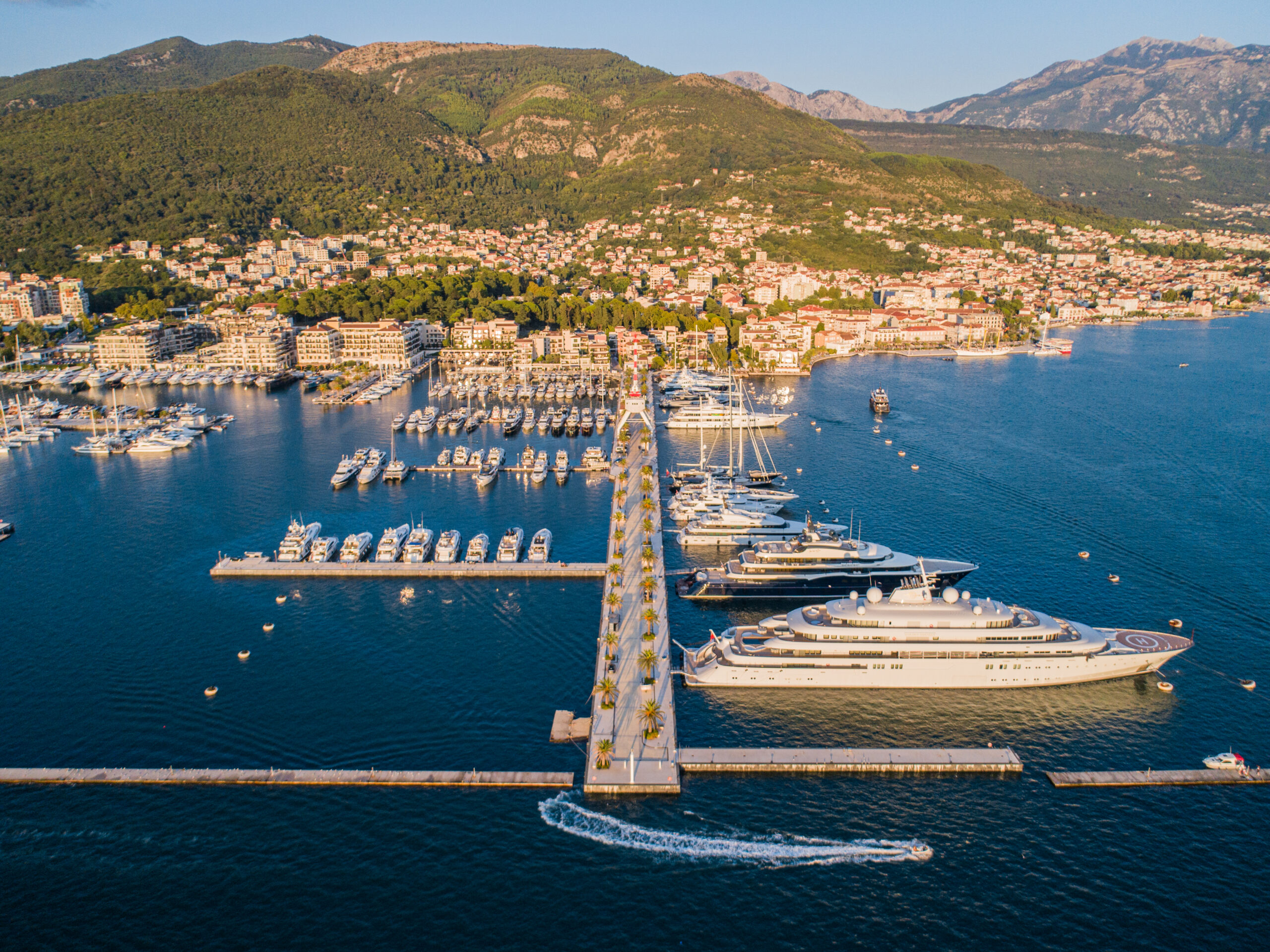
Porto Montenegro isn’t just a luxurious nautical village, it’s a thriving, family-oriented community perfectly tailored for expatriates seeking an exceptional quality of life in Montenegro.
Located in Tivat, this vibrant international hub offers state-of-the-art amenities, premium real estate, and unmatched accessibility to some of the country’s best international schools, including Knightsbridge Schools International Montenegro, which is conveniently situated just minutes away.
Porto Montenegro provides families with a secure, culturally diverse environment, enriched by world-class dining, leisure, and wellness facilities, all within walking distance.
Explore exquisite real estate opportunities, from stylish apartments to luxurious waterfront residences, and discover why so many families choose Porto Montenegro as their new home.
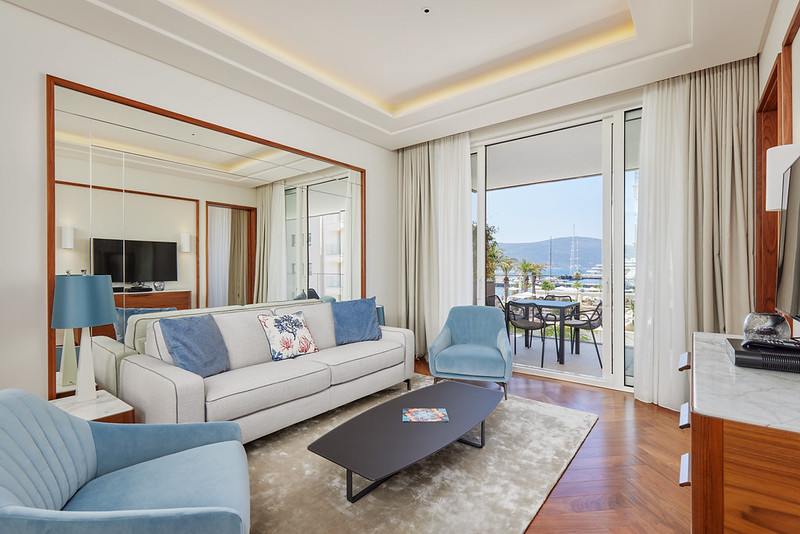
South Village: Experience elegant waterfront living in Porto Montenegro’s exclusive South Village, offering apartments with breathtaking views of the Adriatic coastline. This peaceful yet sophisticated neighbourhood is perfect for families seeking tranquillity paired with easy access to premium amenities.
The official language of instruction in state schools is Montenegrin, though Serbian, Bosnian, Croatian, and Albanian are also recognised and used in certain regions. Many private international schools in Montenegro offer instruction primarily in English and may include additional languages.
Yes, public primary and secondary education in Montenegro is free for all residents, including foreign nationals. For higher education, international students can enrol under the same conditions as Montenegrin citizens, typically with affordable tuition fees.
To enrol a child, parents typically need a birth certificate, a health certificate issued by a local doctor, proof of residence, and identification documents (such as passports or residence permits) of both the child and the parents or guardians.
Yes, several private international schools, including Knightsbridge Schools International (KSI), offer globally recognised programmes such as the International Baccalaureate (IB) and the British Cambridge curriculum, facilitating a smooth transition for families moving to Montenegro.

Montenegrin schools usually provide a variety of extracurricular activities, including sports clubs (football, basketball, volleyball), arts and music classes, drama and theatre workshops, foreign language clubs, and academic enrichment activities like science and maths competitions.
Montenegrin qualifications, especially those following the Bologna Process, are internationally recognised, facilitating student mobility across Europe. Diplomas from international schools (IB, Cambridge) are widely accepted by universities worldwide, making it convenient for students planning further studies abroad.
Most reputable international schools, such as Knightsbridge Schools International (KSI) in Tivat or Arcadia Academy in Kotor, are situated in convenient and attractive residential areas.
Families planning to enrol their children often prefer communities close to these educational institutions, ensuring easy daily commutes, access to local amenities, and high-quality living standards. Popular cities like Tivat, Podgorica, Kotor, and Budva offer diverse housing options to accommodate the needs of families prioritising proximity to quality education in Montenegro.