
Vero & Versa
Discover a collection of diverse yet integrated neighbourhoods at the heart of it all. Vero and Versa Residences have easy access to everything Porto Montenegro has to offer.
Discover

Discover a collection of diverse yet integrated neighbourhoods at the heart of it all. Vero and Versa Residences have easy access to everything Porto Montenegro has to offer.
Discover
Discover Porto Montenegro's newest neighbourhood, a thriving community designed around wellness, lifestyle and everyday convenience.
Discover


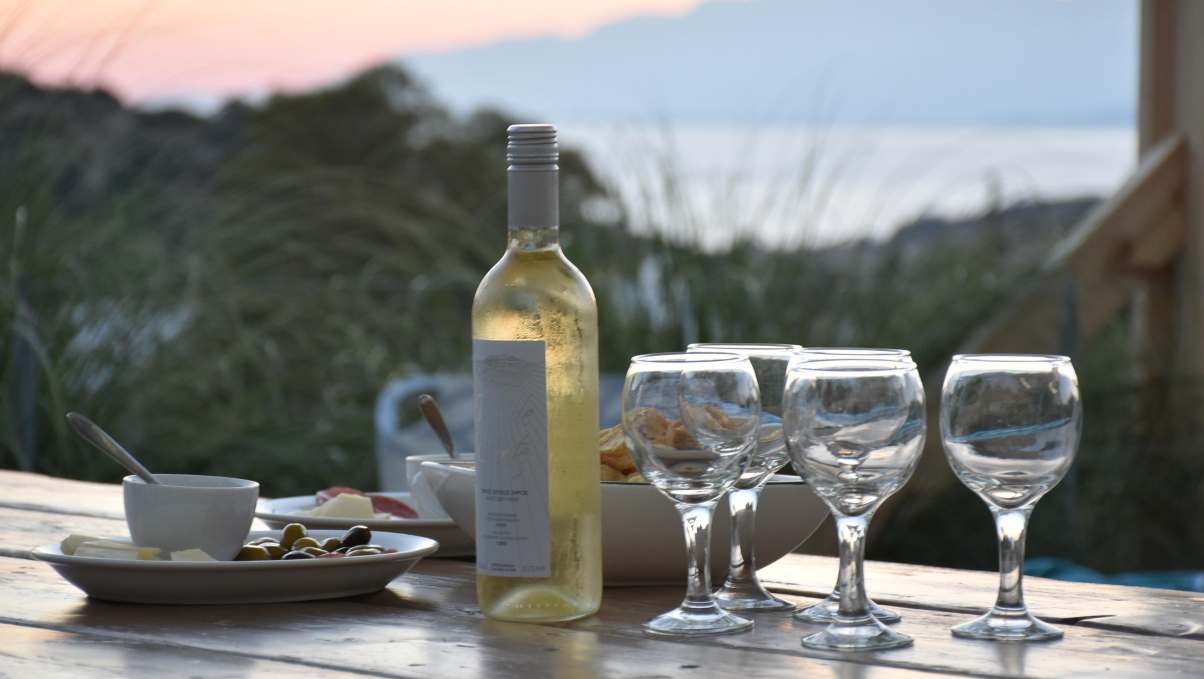
Montenegro is one of the distinctive wine regions of Southern Europe, shaped by centuries of winemaking tradition and a unique Mediterranean-continental climate. The wines of Montenegro offer a distinctive blend of authenticity, bold character, and excellent value.
Indigenous grape varieties and diverse microclimates give wine from Montenegro a strong sense of place, while modern producers continue to raise quality and international recognition.
In the sections below, you’ll discover what makes wine in Montenegro unique, which grape varieties and regions define its style, and where to taste some of the best Montenegrin wines today.
Wine has been part of Montenegrin life for centuries, long before modern borders were drawn. From Roman-era vineyards to today’s award-winning wineries, Montenegro wine reflects a deep connection between land, climate, and culture.
What makes Montenegro especially distinctive as a wine region is the dominance of indigenous grape varieties, combined with Mediterranean and continental influences that allow both native and selected international grapes to express clear regional character.
Wine has been part of Montenegrin life for centuries, long before modern borders were drawn. From Roman-era vineyards to today’s award-winning wineries, Montenegro wine reflects a deep connection between land, climate, and culture.
What makes Montenegro especially distinctive as a wine region is the dominance of indigenous grape varieties, combined with Mediterranean and continental influences that allow both native and selected international grapes to express clear regional character.
Montenegrin wine is produced in Montenegro’s recognised wine-growing areas, encompassing both indigenous and international grape varieties cultivated in accordance with local winemaking traditions and standards.
The foundation of Montenegro’s wine country lies in native grapes such as Vranac and Krstač, which define the authentic character of wines of Montenegro and set them apart from more internationally styled regions.
While international varieties such as Cabernet Sauvignon and Chardonnay are also cultivated, wine from Montenegro remains strongly rooted in its local identity.
Production spans everything from large, well-established estates with extensive Montenegro vineyards to small, family-run wineries that prioritise vineyard expression, traditional methods, and limited production.
This diversity allows wine in Montenegro to offer both consistency and individuality, depending on the producer and region.
The answer is increasingly clear: yes.
Montenegrin wine has gained growing recognition from international wine critics, travel publications, and ranking platforms, positioning the country as an emerging but serious player in the European wine scene.
One of the most common surprises for visitors is the exceptional quality-to-price ratio, with high-quality bottles widely available at prices significantly lower than in many established wine regions.
From structured red wines based on Montenegro Vranac to fresh and elegant whites, wine in Montenegro consistently delivers balance, character, and reliability.
For travellers and wine enthusiasts searching for the best Montenegrin wine, the country offers a compelling combination of authenticity, value, and stylistic depth that continues to build its reputation beyond the Balkans.

What makes wine from Montenegro special is not a single defining feature, but the way its wines consistently reflect place, tradition, and everyday culture.
Rather than following global wine trends, Montenegrin producers focus on wines that feel rooted, expressive, and closely connected to their origin. This approach results in wines that are approachable yet distinctive, shaped as much by local habits and landscapes as by winemaking technique.
Native grape varieties play a practical and strategic role, shaping not only style but also the way local producers approach winemaking today.
Together, these native grapes are the reason wine from Montenegro tastes distinctly Montenegrin rather than generic. They preserve a sense of place that connects modern winemaking with centuries-old traditions, setting Montenegro apart from regions driven primarily by international styles.
The character of wine in Montenegro is shaped by a rare intersection of Mediterranean warmth and continental freshness. Montenegro vineyards enjoy long sunny days, warm summers, and cooling influences from lakes and mountains, allowing grapes to ripen fully while preserving natural acidity.
Key areas of the Montenegro wine region, particularly around Lake Skadar, benefit from limestone-rich soils and fresh mountain air, contributing structure and minerality to the wines.
These natural conditions support both traditional and modern winemaking styles, giving producers flexibility while maintaining a strong sense of terroir. This balance explains why Montenegro red wine remains bold yet fresh, while Montenegro white wine retains crispness and clarity even in warmer climates.
One of the key advantages of wine in Montenegro is its generally accessible pricing. The Montenegro wine price covers a wide range – from everyday table wines to premium and reserve labels, particularly aged Vranac and limited-production from boutique wineries.
Even these higher-end bottles tend to remain competitively priced compared to similar wines from established European regions.
For visitors wondering how much a glass of wine costs in Montenegro, prices in restaurants and wine bars are typically in line with everyday dining, with local wines remaining accessible even in popular tourist areas.
Montenegro’s wine styles are defined less by trends and more by a small number of grape varieties that consistently shape the country’s most recognisable wines. Understanding these key styles – particularly how red and white wines differ in character and structure – offers the clearest insight into what Montenegrin wine does best.
Red wines from Montenegro are defined by depth, structure, and a strong sense of origin.
While Vranac remains the backbone of Montenegro red wine, the focus is best understood through the range of styles it produces rather than the grape itself. Wines can vary from fresh, fruit-forward expressions designed for early enjoyment to more serious, oak-aged reserves built for complexity and ageing.
Across these styles, red wine in Montenegro typically shows dark fruit character, such as black cherry, plum, and blackberry, supported by spice, herbal notes, and firm yet well-integrated tannins. This combination gives Montenegrin reds a confident, food-friendly structure that pairs naturally with meat-based and traditional dishes.
Alongside native expressions, international varieties such as Montenegro Cabernet Sauvignon and carefully crafted blends contribute additional stylistic diversity. These wines tend to reflect local growing conditions rather than international templates, adding modern balance without diluting regional character.
In recent years, rosé wines – most commonly produced from Vranac – have also gained popularity, offering a lighter, fresher expression of Montenegro wine, particularly well suited to warmer months and coastal settings.
White wines remain one of the most pleasant surprises for visitors exploring wine in Montenegro. Montenegro white wine, particularly those made from the indigenous Krstač grape, is prized for its freshness, subtle aromatics, and naturally balanced acidity.
These wines often show notes of citrus, stone fruit, and delicate herbal nuances, making them especially versatile at the table.
International varieties also have a place in the local scene, with Chardonnay styles in Montenegro tending to be clean, restrained, and terroir-driven rather than heavily oaked. Thanks to their clarity and food-friendly structure, white wines from Montenegro pair exceptionally well with Montenegro cuisine – seafood, Adriatic fish dishes, and lighter expressions of coastal cuisine.

The contemporary landscape of Montenegrin wine is shaped by two complementary forces:
Together, they form the backbone of today’s Montenegro wineries scene.
At the forefront of global recognition stands Plantaže, one of the largest vineyard owners in Southeast Europe. With extensive Montenegro vineyards and a strong export network, Plantaže has played a pivotal role in positioning wine from Montenegro on international markets.
Its large-scale production ensures consistency, availability, and global reach, making Montenegrin wines accessible well beyond the region.
Alongside this volume-driven approach, boutique and family-run wineries in Montenegro are increasingly driving the country’s quality narrative. These producers focus on lower yields, hands-on winemaking, and clear vineyard expression, often prioritising authenticity over scale. Their wines are typically aimed at local markets, wine tourism, and niche international audiences seeking distinctive, terroir-driven bottles.
The difference in philosophy between these producers is evident.
While large estates emphasise volume, export readiness, and brand recognition, smaller wineries highlight craftsmanship, individuality, and experimentation. This balance between innovation and tradition allows wines of Montenegro to evolve without losing their identity, creating a wine scene that is both reliable and increasingly exciting for wine lovers.
The heart of Montenegro’s wine landscape is found around Lake Skadar, the historic Crmnica region, and the plains surrounding Podgorica.
These areas form the core of the country’s vineyard zones and are central not only to wine production but also to the overall wine experience. Open landscapes, long-established vineyards, and proximity between wineries make this region especially accessible for visitors.
Many wineries in Montenegro welcome guests for tastings and cellar visits, offering a direct connection with winemakers and local traditions.
Visiting vineyards in Montenegro, therefore, offers more than a tasting – it provides insight into how wine fits into everyday life and local culture.
Beyond inland regions, smaller coastal micro-wineries are gradually emerging near the Adriatic, producing limited quantities influenced by maritime conditions. Some of the country’s most memorable winery visits also feature underground cellars and distinctive architectural settings, where wine, history, and design come together to enrich the visitor experience.
While visiting vineyards in Montenegro offers an authentic insight into local winemaking, some of the best opportunities to explore Montenegrin wine can be found well beyond the vineyards themselves.
Cities, coastal destinations, and culinary hubs increasingly showcase curated wine lists that highlight both renowned producers and small, boutique wineries, making wine in Montenegro accessible even to those not travelling deep into wine regions.
Porto Montenegro has become one of the most refined destinations for experiencing wine from Montenegro in a contemporary setting.
Upscale restaurants, wine bars, and marina-side venues often feature carefully selected local labels alongside international classics.
A standout destination for wine lovers is Crush Wine Station, where curated wine selections allow visitors to explore both established names and emerging Montenegrin producers in a relaxed, modern atmosphere.
Wine culture here is closely tied to lifestyle, dining, and social experiences, often complemented by insights into traditional beverages found in Montenegro drinks.
As the capital and the gateway to the country’s main wine regions, Podgorica plays a central role in the Montenegro wine scene.
Many wine bars and restaurants in Montenegro work directly with nearby wineries, offering access to fresh vintages, limited releases, and cellar exclusives.
Tastings in Podgorica are often paired with local specialities such as Montenegro prosciutto, creating a natural connection between wine, food, and regional tradition.
Beyond formal winery visits, the Lake Skadar area offers some of the most atmospheric wine experiences in the country.
Small, family-run estates and traditional restaurants serve wines of Montenegro alongside authentic local dishes, including seafood specialities like buzara. Combined with broader expressions of Montenegrin food, wine tasting in this region becomes a deeply cultural experience, shaped as much by landscape and heritage as by the wine itself.
Wine in Montenegro goes far beyond bottles, labels, and tasting notes- it is an integral part of everyday life, social rituals, and local identity.
From long vineyard lunches in rural regions to relaxed coastal dinners overlooking the Adriatic, wine from Montenegro is closely tied to hospitality, food, and the surrounding landscape.
It is often shared casually, enjoyed with local dishes, and treated as a natural extension of Montenegrin culture rather than a formal occasion.
When wine experiences are combined with the country’s rich history, traditions, and lifestyle, explored further through Montenegro facts, they gain an added layer of authenticity. This context helps explain why Montenegrin wine feels so genuine: it is shaped not only by terroir, but by the people and customs that surround it.
Whether you are searching for the best Montenegrin wine, planning visits to wineries in Montenegro, or simply enjoying a glass by the sea, Montenegro shows that great wine does not need global fame to leave a lasting impression – only character, place, and a story worth discovering.


